
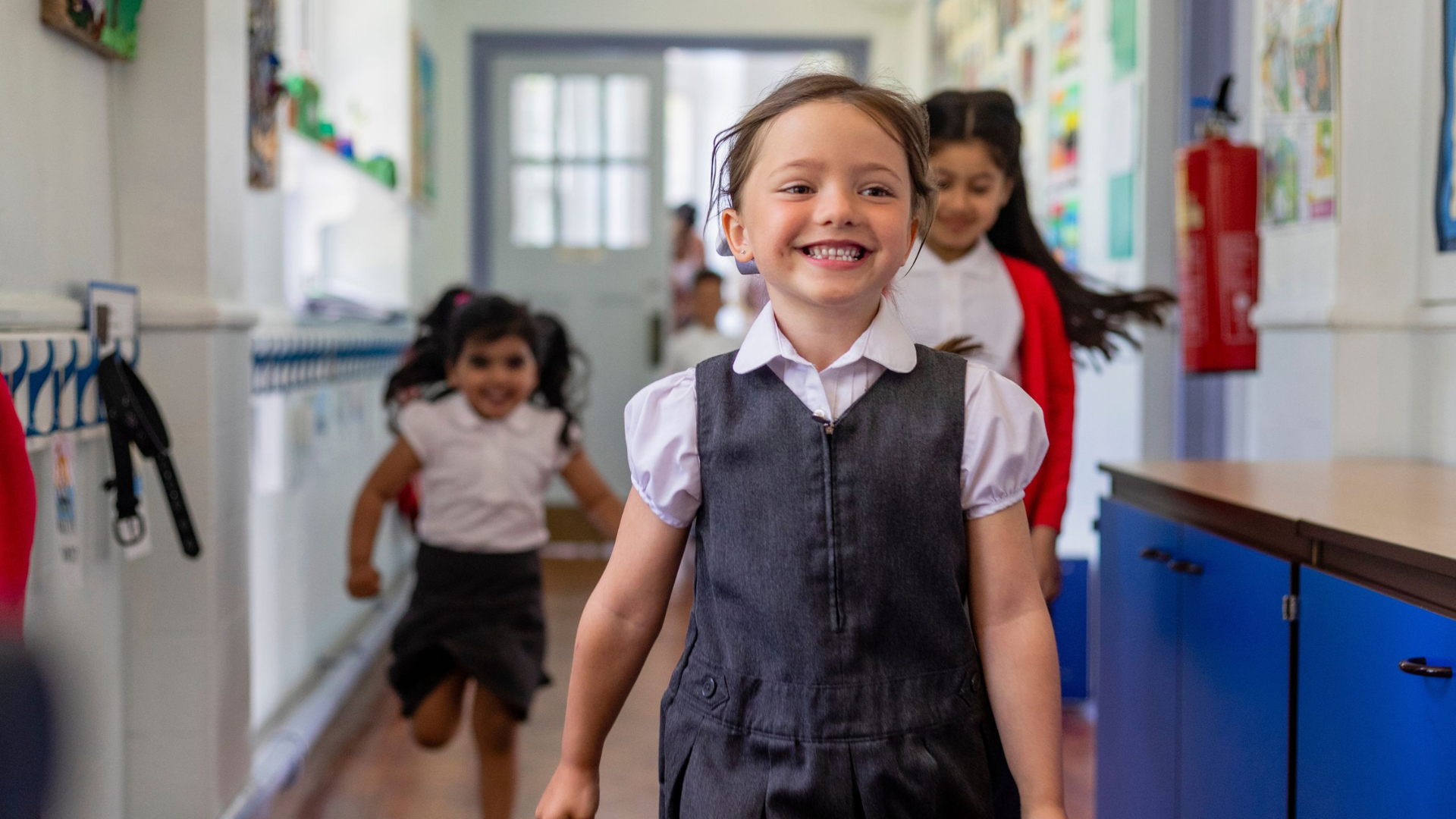
New term. New routines. New teacher. New classroom - sometimes a new school altogether. For a lot of children, the first few weeks back aren't smooth sailing - they're a big adjustment, and often need a bit of guidance and support.
Your child might seem more tired, clingy at drop-off, or quicker to snap than they were over the holidays. Don’t worry - this is one of the most common patterns parents see at this time of year, and it's not usually a sign that something is wrong. It's a sign that something is new.
Why it feels harder in week two than week one
Week one often runs on excitement - new stationery, new friends to catch up with, the novelty of it all. It's week two, sometimes week three, where the tiredness catches up. The early starts, the sitting still, the social effort of a full classroom - it can be a lot for a child. They can seem totally fine on day one, but can suddenly have a wobble a couple of weeks in.
What "settling in" struggles can look like
More tears or reluctance at drop-off than usual
Increased tiredness or meltdowns after school ("after-school restraint collapse")
Being clingier at bedtime or wanting more reassurance
Short temper or tearfulness over small things
Occasional mentions of not wanting to go in
Most of this is temporary. It settles as their routine become familiar to them again.
What helps
Keep bedtimes consistent. Tiredness is often the biggest driver of a hard morning. A regular bedtime does more for settling-in struggles than almost anything else.
Expect the wobble, don't panic. If week two feels harder than week one, that's common, not a red flag. Riding it out calmly, confidently, and consistency usually works better than over-reacting.
Give extra reassurance at drop-off, briefly. A short, warm goodbye routine (rather than a long, drawn-out one) tends to help children settle faster and gives them confidence once you've gone.
Make time to talk about school at low-pressure moments. In the car, at bath time, over dinner - it doesn’t need to be an interrogation, but open up opportunities for them if they want to talk.
When it's more than settling in
Most children find their feet within the first few weeks. But if you’re finding their reluctance to go to school is growing, or if mornings are becoming a real battle (physical symptoms, distress, or refusal) that's worth a closer look. It's not always helpful to just wait it out; and it might be time to understanding what's really going on underneath. We talk more about school refusal in this blog:
A one-to-one session with Ruth can help parents like you who find getting their child to go to school a struggle that isn't getting better, and help you figure out what's really going on and build a plan to get things back on track. Find out more here:
Ruth Edensor is a child behaviour specialist based in Stafford, working with families across Staffordshire and the West Midlands. She's the author of The Parent's Guide to Children's Behaviour and has spent over 40 years helping families move from conflict to connection.
