
Five boundaries to teach your children, and the words to use.
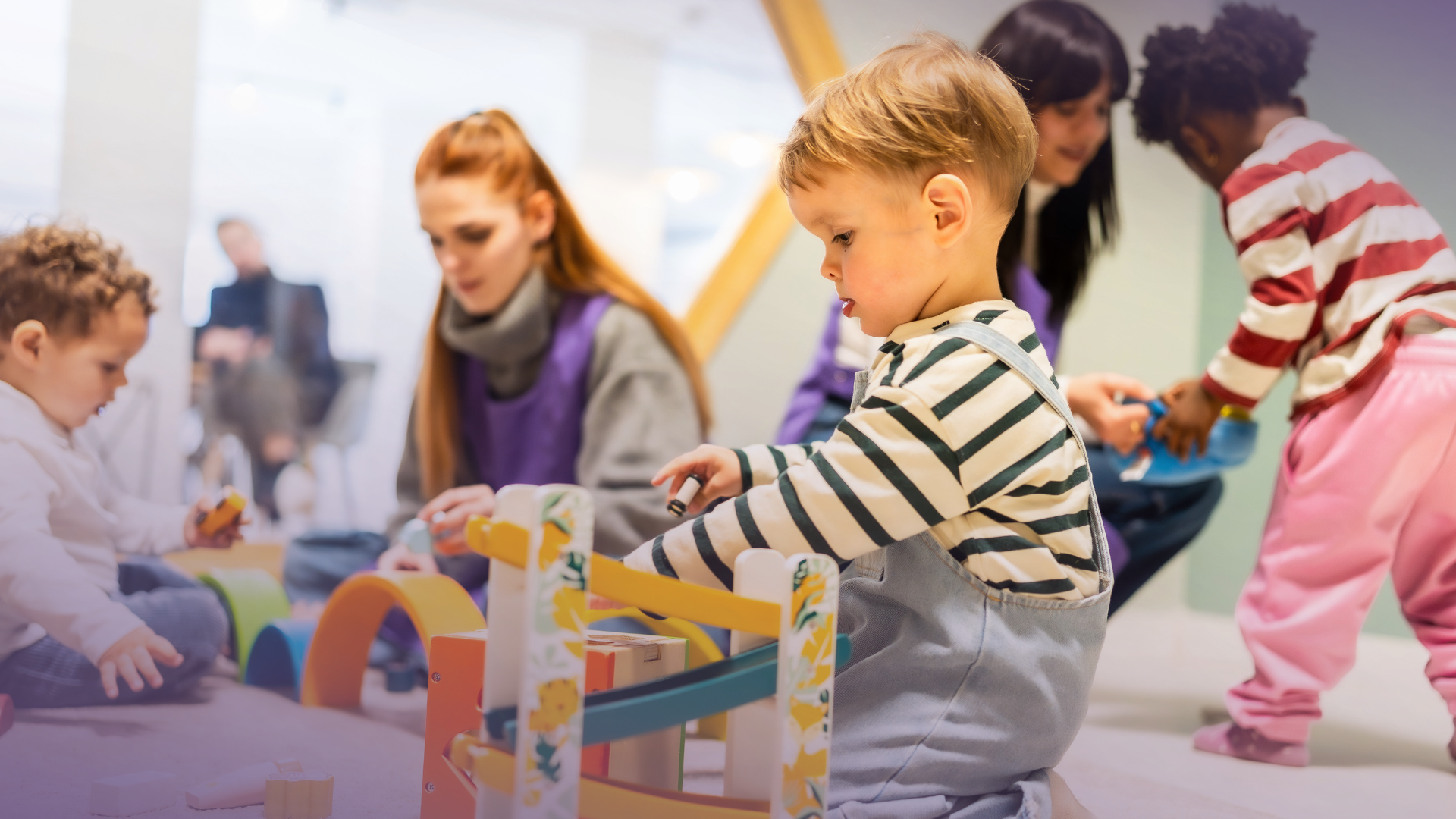
Does your child have to share their favourite toy? Hug every relative? Say yes every time someone asks them for something?
Many parents aren't sure, and the way we answer teaches children a lot about what they're allowed to say no to.
Boundaries are the limits we set around ourselves: our feelings, our things, our bodies, our time and our thoughts. Many of us learned the hard way what happens without them. We said yes when we meant no, we ran ourselves into the ground, and resentment crept into our relationships. Most of us want it to be easier for our children.
Children who learn healthy boundaries can feel more in control, more confident and more able to respect other people's limits too. Those who don't can find it harder to stand up for themselves, and may be more vulnerable to unhealthy relationships.
This post covers five types of boundary, each with an everyday example and the words you can use:
Emotional boundaries
Material boundaries
Physical boundaries
Time boundaries
Mental boundaries
1. Emotional boundaries
Emotional boundaries mean your child's feelings belong to them. Nobody gets to tell them what they should feel, or make them responsible for someone else's mood.
Everyday example: your child comes home upset and someone says, "You're fine, stop making a fuss." Hear that often enough and a child can learn to doubt their own feelings. Try instead: "You look upset. Do you want to tell me about it?"
At the more serious end, emotional boundaries protect children from manipulation and emotional abuse. One form is gaslighting, where someone twists another person's sense of what's real. A child who is being gaslit might be:
Constantly told their feelings are wrong or invalid
Made to doubt their memory of events
Blamed for things that aren't their fault
Told they're "crazy" or that something is wrong with them
Made to feel guilty for expressing a need
Other signs of emotional abuse include being overly critical, controlling or threatening, withholding affection, shaming, blaming and isolating a child from others.
It's worth teaching your children to recognise how this feels and that they can always tell a trusted adult. If you see these patterns in your child's life, whether at home, school or elsewhere, it's worth seeking support.
Words to use: "Your feelings matter. If something doesn't feel right, you can always tell me."
2. Material boundaries
Material boundaries are the limits we set around our possessions. It's ok to have boundaries around what we're willing to share and how our things are treated.
Children are often told they must share everything, straight away, whether they want to or not. A child who has to hand over a favourite toy every time someone asks can learn that their things, and their feelings about them, don't count. It's ok for children to have special things they don't share, like a favourite teddy or a toy they've saved up for. If siblings have a toy they don't want to share, teach them this is ok.
That doesn't mean nothing is ever shared. Family things, like the games console or a box of building blocks, can have turn-taking rules. The difference is between things that are everyone's and things that are theirs.
Everyday example: a friend comes to play and your child doesn't want them to touch their favourite car. Instead of "Don't be selfish, let them have a go", try: "That's your special car, so let's put it somewhere safe. Which toys would you like to share?"
Boundaries also cover how things are treated. If we lend something, we can say when we'd like it back and how. And the other side matters too: teach your child to ask before taking something, and to accept it if the answer is no.
Words to use: "In this family we ask before we take someone's things. If they say no, we find something else to play with."
Read more: How to Handle Sibling Rivalry
3. Physical boundaries
Physical boundaries are the limits we set around our bodies. Children need to learn that their body belongs to them, and that they can say no when someone touches or tries to harm them in a way that doesn't feel right.
Everyday example: a relative holds out their arms for a hug and your child hangs back. Forcing the hug sends the message that other people's feelings matter more than their own comfort. Offer a choice instead: "Would you like a hug, a high-five or a wave?" Parents often find this is the most useful boundary to start with, because it comes up all the time.
How we discipline matters too. When we hit children, whether with a belt or a smack, we can teach them that the people they love and trust most in the world are allowed to hurt them. Children don't stop loving their parents because of this, but they can stop loving themselves.
Words to use: "Your body belongs to you. You can say no to a hug, and you can always tell me if someone touches you in a way you don't like."
4. Time boundaries
Time boundaries are the limits we set around our schedules and how we spend our time.
For children, this is about having a say over some of their time. It might be choosing which activity to do first, or saying "I'd rather not go to that party today". It doesn't mean skipping what needs doing, like homework, teeth and bedtime. Those stay, and you can hold them calmly.
Everyday example: "Do you want to do your reading before or after your snack?" The reading still gets done, and your child has had a real choice about it.
It also works the other way. Show your children that you respect other people's time: "I'm on a call, so I'll help you in ten minutes", then keep your word. Children who see this learn that time is something to ask for, not demand.
Without time boundaries, children grow into adults who say yes to everything: favours, plans, free labour. Before long, resentment starts to affect their relationships. A child who agrees to everything may also be keeping the peace because it feels safer than saying no.
Read more: The Hidden Fawn Response
Words to use: "It's ok to say no to things you don't want to do. Let's work out what's a no, and what still needs doing."
5. Mental boundaries
Mental boundaries protect your child's mental wellbeing, and they include respecting that other people think differently. Having different thoughts, values, opinions and beliefs is a normal part of being human. It's ok for your child to disagree with a friend, and ok for a friend to disagree with them.
Healthy mental boundaries mean not letting other people's opinions or moods weigh your child down. They don't mean forcing your views on anyone else.
Everyday example: your child comes home saying their friend was upset at school and they felt it was their job to make her feel better. It's kind to care, and you can say so: "It's lovely that you want to help. How she feels is hers to work through, and you can be a good friend without fixing it." The same applies to us as adults. We can support a friend who's venting without taking their stress on as our own.
Words to use: "You can care about someone without having to fix how they feel."
Start with yourself
The best way to teach boundaries is to use them yourself. Children learn far more from what we do than what we say.
Say no calmly. "I can't this week" is a full sentence. You don't need a long explanation.
Ask before you take. "Can I borrow your pen?" shows them what asking looks like.
Respect their no. If they don't want a hug today, say "Ok, maybe later."
Take a minute when you're upset. "I need a few minutes to calm down" shows them how to protect their space without shouting.
Put it right when it goes wrong. None of us gets it right every time. A calm apology teaches boundaries too.
Read more: You Shouted. Now What?
We can only model boundaries if we're confident about how to hold them. Many parents aren't sure how, or feel nervous about trying. That's very common, and it can be learned.
A few common questions
Does my child have to share everything? No. It's ok for them to keep special things to themselves, and shared family things can have turn-taking rules. The aim is for them to understand that their things and choices count, and so do other people's.
Is it rude if my child says no to a hug? It's their body, so it's ok. Offer an alternative such as a high-five or a wave, and explain to relatives that it's about choice, not manners.
Does this mean my child can say no to everything? No. Boundaries are about what belongs to them: their feelings, things, body, time and thoughts. Rules about safety, school and bedtime stay in place, and you can hold them calmly.
How do I teach boundaries if I struggle with them myself? Start with one. Pick the boundary that feels most relevant in your house this week, and practise the words until they feel natural.
Which of these feels hardest in your house? If you'd like help working out where to start, book a free 15 minute discovery call with me and we'll look at what would help your family.
Thanks for reading,
Ruth Edensor
Our Parent's Guide to Children's Behaviour gives you practical strategies to understand behaviour, respond more positively and build a stronger relationship with your child.
Discover The Parent's Guide & Workbook
Or, if you're struggling with a situation that feels like you need a helping hand: