
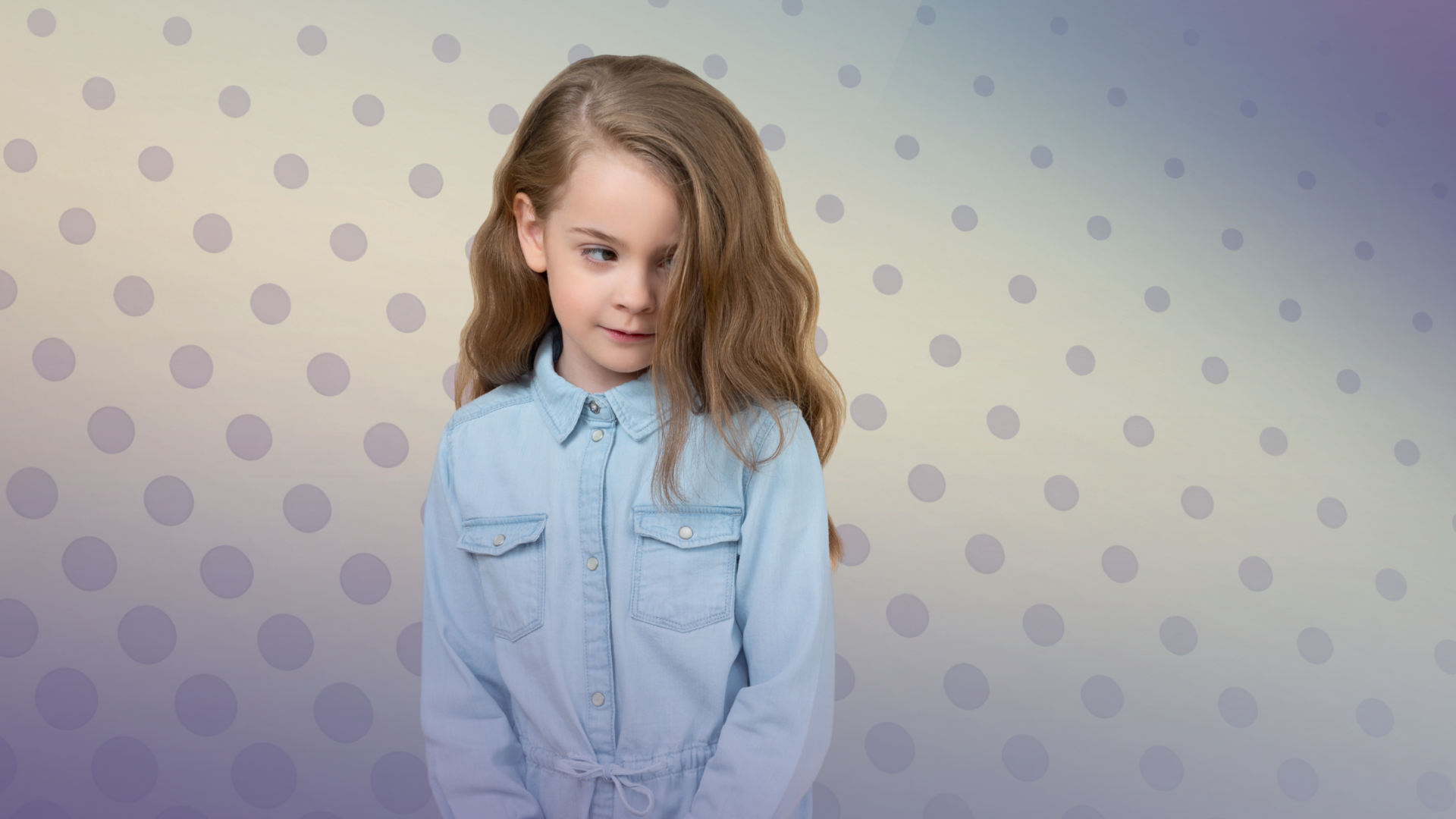
As parents, we often struggle to understand our children's behaviour. If you have been with me for a while, you will know that I often talk about how stress affects a child's behaviour. Many of us know the 'fight, flight or freeze' reactions to stress. Another, less talked about response is the 'fawn' response. You may relate to this. I certainly do.
This post looks at what the fawn response is in children, why it happens, how it shows up in behaviour, and what you can do to help your child feel safe enough to be themselves.
The fawn response
The fawn response is when a child puts other people's needs before their own in order to keep the peace.
For example, after a stressful day that includes arguments, conflict or distress, your child becomes extremely helpful. They help with chores, are extra nice to you, or soothe a sibling. On the surface it looks like a child being good. Underneath, they believe that blending in and going along with things can head off further tension. Children are very tuned in to what's going on around them.
In homes where tension or disagreements are frequent, some children might say to themselves: "If I just stay quiet and helpful, maybe things will calm down."
Stress doesn't only come from home. Friendship difficulties, a hard time at school or a big change can all lead a child to keep the peace by pleasing.
Easygoing or fawning?
A quiet, agreeable child isn't automatically fawning. Some children are simply easygoing. The difference is whether they can say no or show they're upset when they need to.
Spotting the signs
A well-behaved, eager-to-please child can still be struggling underneath. A compliant exterior can hide:
Hesitation to share their true feelings
Anxiety about possible conflict
A constant need for validation or reassurance
Saying "Sure, whatever you want" or "I don't mind" about everything
Over-explaining or over-apologising
Avoiding conflict, threats or danger at all costs
Intense guilt when saying no or setting boundaries
With younger children it can be as simple as a six-year-old who says "I don't mind" every time they're asked which game to play, which snack to have or where to sit, and looks relieved when someone else decides.
The long-term impact
Children who keep sidelining their own needs to maintain harmony can, over time, lose touch with what they want and who they are. This can make it harder to assert themselves in future relationships and at work. They may hold back genuine emotions and stay on high alert for conflict because they don't feel safe.
Supporting your child
How often do we mistake a child's eagerness to please for simple good behaviour? Noticing the difference is the first step, and it lets you respond to what's underneath, not just what you see.
Here's what can help:
Make it safe to share feelings without judgement. Try: "Thanks for telling me, I'm glad you said so", even when the answer is still no.
Let them know they're allowed to disagree. "You're allowed to disagree with me."
Ask what they want, not just what they'll go along with. "What would you pick if it were up to you?"
Praise honesty as much as good behaviour, and reassure them that they're loved just as much when they say no.
Reduce stress levels at home where you can.
Help them name their emotions, and explain the fawn response in words they can follow.
Teach them to set and respect personal boundaries.
Seek professional support if you think it will help. Not sure whether your child is fawning or just easygoing? Book a free 15 minute call with me.
Emma's story
(Name and details changed.)
Working with a parent newly separated from a high-conflict marriage, Mum wanted to help her daughter come out of her shell and be more relaxed.
Mum noticed that her 15-year-old daughter, Emma, often went to great lengths to avoid conflict, especially with her friends. Whenever there was a disagreement about where to hang out or which film to watch, Emma would quickly give in, even if she had a different preference. She'd sometimes come home visibly upset, but would brush it off, saying:
"It's okay, Mum. I want everyone to be happy."
One evening, after Emma had reluctantly agreed to go to a party she wasn't keen on, Mum decided to have a heart-to-heart with her. They sat down with a drink, and Mum shared a story from her own teenage years, when she was a people pleaser in the hope that her friends would like her.
Mum talked about how her own home life was full of drama, and how she pleased everyone to try to keep the peace. She explained that she thought this was the fawn response, a natural coping mechanism, and that it had led her to suppress her true feelings. She stressed the importance of balance: it's okay to compromise sometimes, but it's also essential to voice your feelings and preferences.
They talked about "I" statements, such as "I feel" or "I prefer", which helped Emma say what she wanted without sounding critical.
Over the next few weeks, Mum noticed a change. Emma started voicing her opinions more, not in a confrontational way, but in a manner that showed she valued her own feelings. One day she came home smiling and told Mum she had suggested a different plan to her friends, and they had all enjoyed it, instead of staying silent as she usually did.
Mum's understanding approach, open communication and practical guidance helped Emma recognise her fawn tendencies and gave her tools to choose healthier responses.
Common questions
What is the fawn response in children?
It's when a child copes with stress by pleasing others, going along with things and avoiding conflict in order to feel safe. It's often described alongside fight, flight and freeze. It's a way of describing behaviour, not a diagnosis.
How do I know if my child is fawning or just easygoing?
Look at whether they can say no, disagree or show upset when they need to. An easygoing child can. A child who is fawning tends to hide upset, apologise a lot and worry about letting people down.
Can children grow out of it?
It can ease when a child feels safe to disagree without losing anyone's approval, which is why noticing it early helps.
BEHIND EVERY FAWN RESPONSE IS A STORY OF SURVIVAL, NOT JUST A DESIRE TO PLEASE.
All the best,
Ruth
Our Parent's Guide to Children's Behaviour gives you practical strategies to understand behaviour, respond more positively and build a stronger relationship with your child:
Or, if you're struggling with a situation that feels like you need a helping hand: