
School Drop-Off Tears?
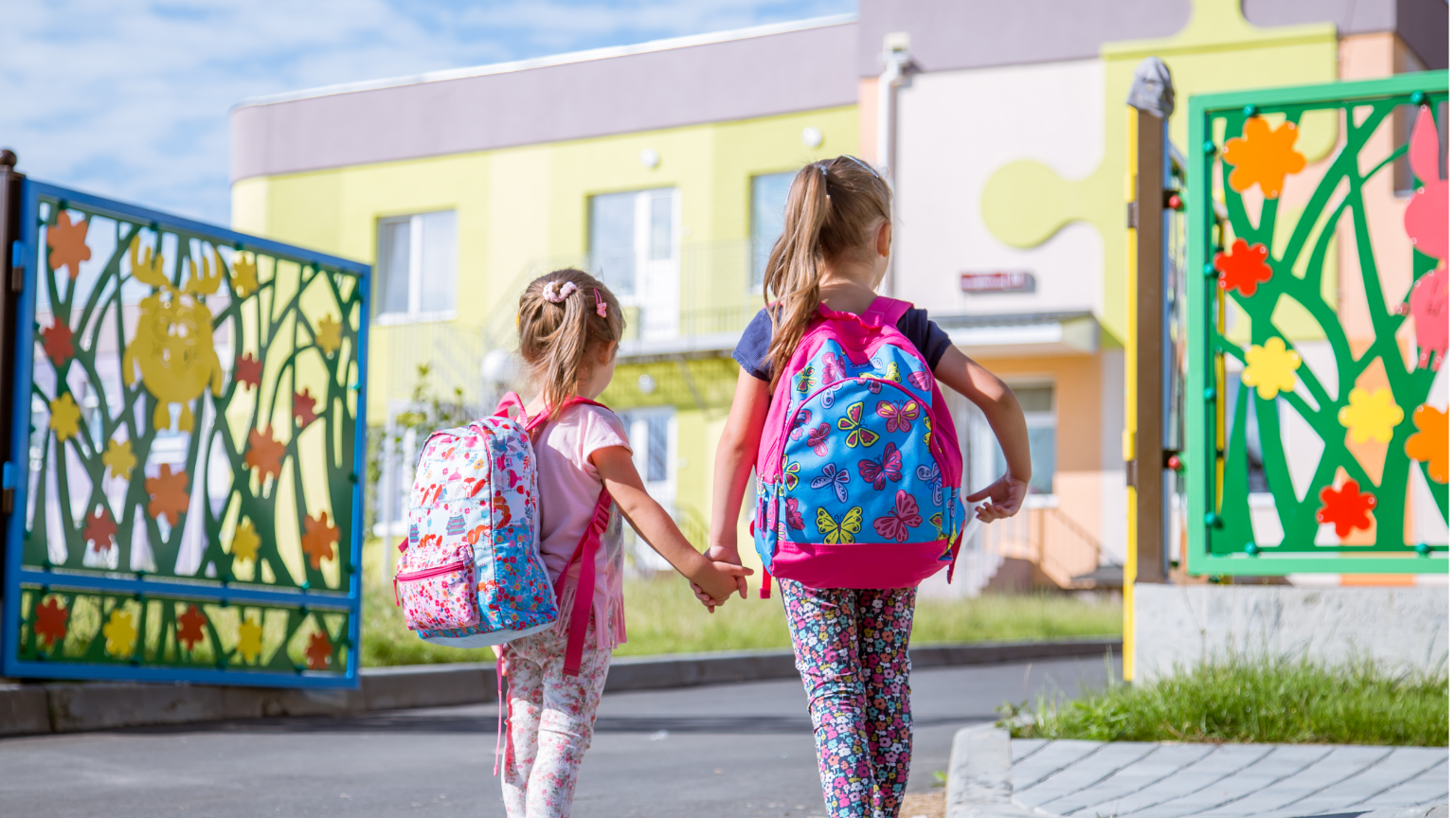
How to Settle Your Child Into School or Nursery
My daughter marched into her first day of school ready and eager when she had just turned 4; just when I thought she was settled, two weeks later she'd had enough and wanted to stay home with her new baby brother and me.
Unfortunately, settling children into school often doesn't go the way you pictured it. Since then, I've welcomed countless children into school and nursery, and as a mum, I've watched what works and, just as importantly, what quietly makes things worse.
So if the thought of drop-off has you somewhere between excited, nostalgic, and holding your breath — here's what I've learned about turning those school drop-off tears into smiles.
Whether it's the first day of school, a move to a new class, or starting nursery, these tips will help make the transition easier for both of you.
1
BE PREPARED WELL IN ADVANCE
It may seem obvious, but start preparing well in advance.
Play "school" at home with your little one and let your child be the teacher and you the child, or the other way round. It's a fantastic way for them to express how they feel about school and role-play what might happen.
There are countless children's books about starting school, and reading about characters going through the same thing can help your child understand what's expected.
Alongside a book, it's worth creating a simple visual of what will happen — a step-by-step picture sequence of walking in, hanging their coat, sitting on the carpet, lunchtime, and home time.
Start using it a few weeks before the big day, and keep going with it each morning until they're properly settled. It gives them something concrete to hold onto, rather than trying to imagine a day they've never had.
Introduce them to their new friends so they have a familiar face when they arrive. You'll likely be invited to an open day — find out exactly what they must do when they get to school, and talk about it with them in advance. Familiarity breeds confidence, so do anything you can to familiarise them with what's expected.
As the start day approaches, adjust bedtime and morning routines to suit school times. Doing this in advance is one thing less to worry about when it actually matters.
2
Manage Your Own Feelings First
Your energy is contagious. Your child will mirror those feelings, so be calm, excited, and positive.
Keep the morning of the first day positive and fun, even if you secretly need a box of tissues!
You can cry after you leave them, like many parents.
Don't make the mistake this parent made:
On a typical nursery class open morning for new children and their parents, everyone had a chance to meet their new friends and staff and play together. There was a happy, upbeat, friendly atmosphere to welcome the new intake.
A family arrived with their lovely, polite, bright little boy. He was trying to look happy and grown up in his new uniform, but you could feel his stress. His mom told me (in front of her son) how he was likely to cry - he didn't have any friends and didn't want to come to the nursery as he was very nervous. He looked at me with dread in his eyes.
As they started the second week at school, he was unusually still very unsettled and crying for what seemed like most of the morning. One morning, as he hadn’t come to sit on the carpet like everyone else, I went to see what was happening.
I found him in the cloakroom crying on his mother's lap. Mum was crying quietly and rocking him, clutched to her chest, saying.
"You have to go to nursery, or the Police will come and take mommy away."
I am sure you agree - it is not hard to see how this made her son nervous about coming to nursery.
After I had a quiet private word with Mum, she realised that because she was nervous for him, she was passing that to her son, making him feel bad about going to school. She realised she needed to flip it round and be more positive.
The next day she was more positive with her son at drop-off, telling him to have a good time and paint her a picture while she went home to tidy up, and that she would be back after playtime.
Her son responded really well, and when I went to greet him the next day, he settled quickly.
If you're feeling anxious yourself, it helps to:
Avoid voicing worries about how they'll cope in front of them — save that conversation for the teacher.
Give yourself time to settle your nerves before you even reach the school gate — a difficult drop-off often starts at home or in the car, not at the door.
3
THE POWER OF RITUALS
Having a goodbye ritual can help signal it’s time for you to leave. Keep it short, reassuring, and positive.
My young son used to like to wave from the classroom door and say, "See you at 3.30, Mom.” I would say it back and leave him smiling and waving, just as long as we had our little ritual. Other ideas could be a special handshake or a small, quiet word or phrase you like to share.
4
Give Clear, Simple Directions
Although tears at school drop-off can be expected sometimes, it shouldn't become the norm. Children often need reassurance that feeling nervous about something new is normal. They also need clear, simple directions on what you want them to do. Be calm and have a little transition time, but rather than linger trying to comfort them, which rarely helps, point them toward a friendly face, a teacher, or a familiar activity — or whatever is the classroom routine.
I once started working at a new nursery school with a little girl who was still routinely severely screaming and kicking on the cloakroom floor months into term. Staff stood and watched, seeing it as "just what she does"; it had become her normal, and she didn't know what else to do.
So I sat with her and explained exactly what she needed to do the next morning to feel happier. I told her to hang her bag on her peg with mummy, then come and hold my hand and sit with me in the book corner. Each day she progressed a little further, until she came in on her own and sat in the book corner with a friend.
That small, clear, simple plan changed everything. Within a few days, she was walking in smiling and going to sit with her friends in the book corner all on her own.
5
After school / Nursery
Make the end of the school day feel special and reconnect with your child. A favourite snack and a few minutes of your full attention will help them transition back to home time. Try not to overload with questions about their day; you might find they are overstimulated from a busy day and need some downtime. They may be more receptive to questions once they have had a moment to recharge their batteries and relax.
6
TRUST THE PROCESS
Your child might come home with tales of new friendships or stories of feeling left out.
Both are part of the journey. Be there to celebrate, console, and guide. Trust that with your support, they settle and flourish.
Remember, every child's journey is unique. While one might sprint into school with barely a backward glance, another might need a little more time to adjust. And that's okay. With your unwavering support, love, and a sprinkle of patience, they will soon find their stride.
If you are having difficulties and you would like personal support, reach out and book a session with me; I would be happy to help.
All the best,
Ruth Edensor
Our Parent's Guide to Children's Behaviour gives you practical strategies to understand behaviour, respond more positively and build a stronger relationship with your child.
